Making extreme heat impacts visible in frontline communities. Working in Boston, Phoenix, and New Orleans. A project at Boston University School of Public Health funded by a Climate Impact Award from Wellcome Foundation.
 About CATCHContact us
.png)
This new tool provides a statistical R-package to calculate health outcomes, including the impacts of extreme heat, and to identify vulnerable subgroups using health data in cities. Read more about the gaps it addresses, what is needed to use the tool, and examples of its use in real-world situations.
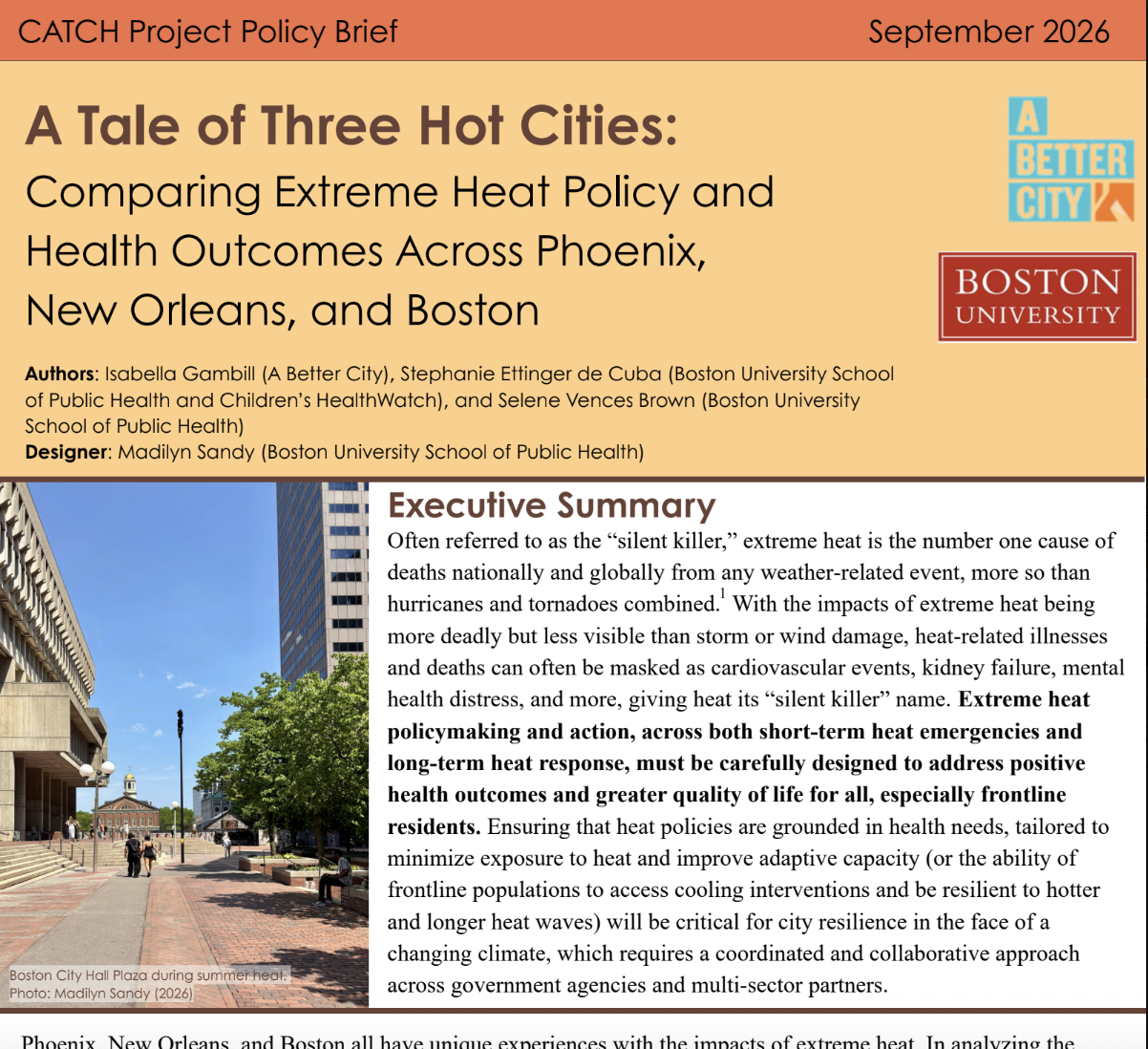
The CATCH team recently published this policy brief, which compares extreme heat policies across Phoenix, New Orleans, and Boston and offers recommendations to strengthen equitable heat resilience and protect public health.
2.JPG)
CATCH partners with community-based organizations in Boston, Phoenix, and New Orleans to elevate residents' lived experience and adaptive expertise around living with extreme heat. Learn more about the community-based organizations with which CATCH works!
Stay updated with the policies, heat actions, and plans that have been informed by the research done by our CATCH team.

This new database provides a collection of policies that affect populations' heat sensitivity and ability to adapt to extreme heat. Search by topic, vulnerable population, intervention, location, and more! Check back frequently - we are constantly expanding the cities included in this database.
Although millions of individuals are vulnerable to extreme heat, frontline communities include neighborhoods and groups of people that:
Historical factors and inequities play a strong role in exacerbating the impacts of extreme heat for frontline communities.
.png)
.png)
.png)
.png)
Heat is a "silent killer" - meaning it lacks the visible devastation of other extreme weather events, such as storms, and often has severe impacts on health by exacerbating other health issues such as chronic illnesses.
Exposure to extreme heat results in more emergency room visits, more hospital admissions, and more deaths than hurricanes, floods, and tornadoes combined.
Disadvantaged communities within cities systematically experience heat exposure health impacts at disproportionately higher rates.
In the last twenty years, extreme heat events have increased in frequency and duration, affecting millions of people globally.

working with partner organizations


and community-based organizations
.png)
.png)
.png)
.png)

.png)
in three cities focused on climate-resilience work



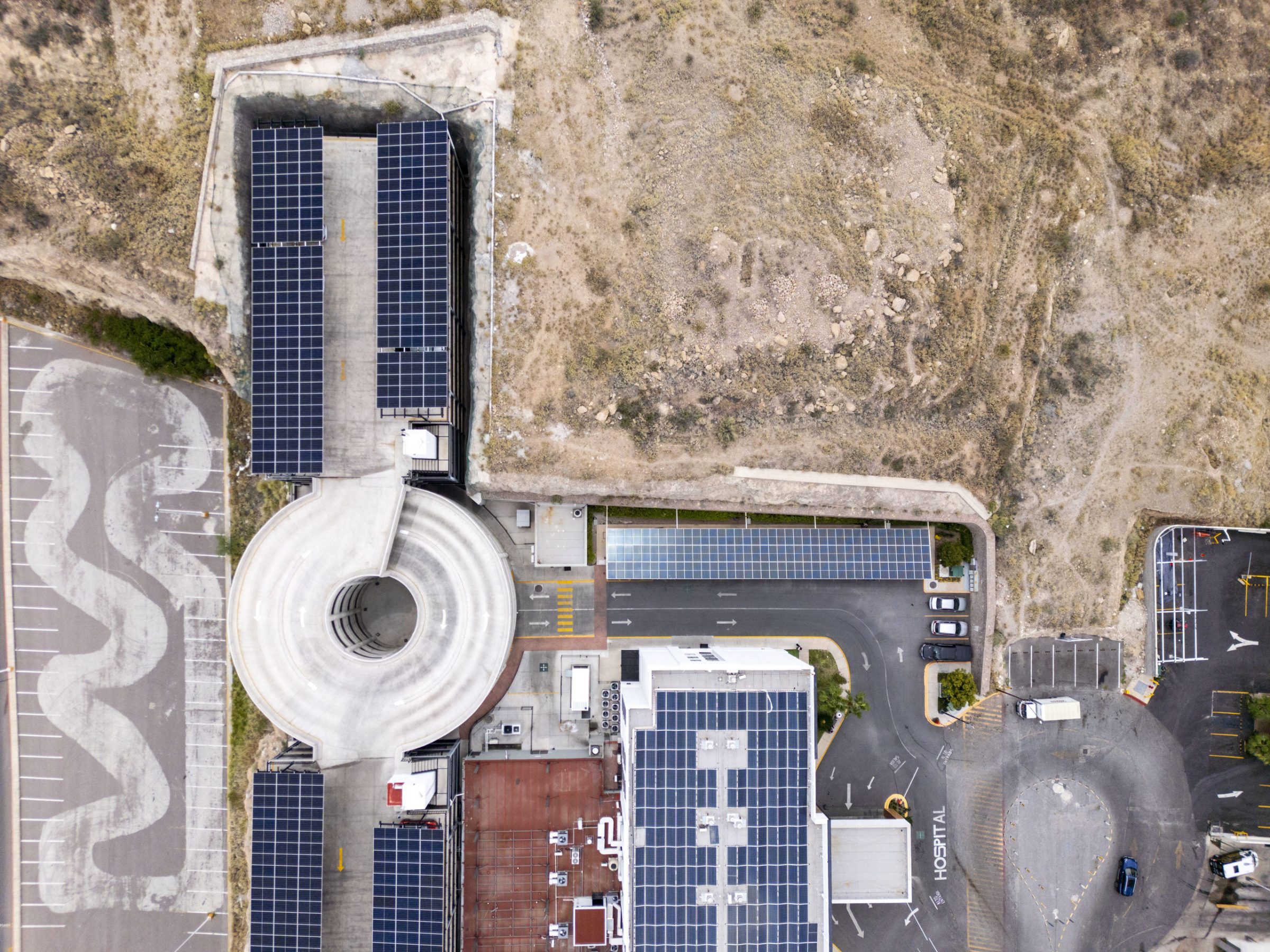
Subsidised power is tackling energy poverty and health risks for some of northern Mexico’s most vulnerable city dwellers

As heat overlaps with other intensifying climate events, scientists are uncovering how they compound each other – and how cities can adapt

Gender inequality sees women labour in poor quality housing despite soaring temperatures, with solutions limited, expensive and inadequate
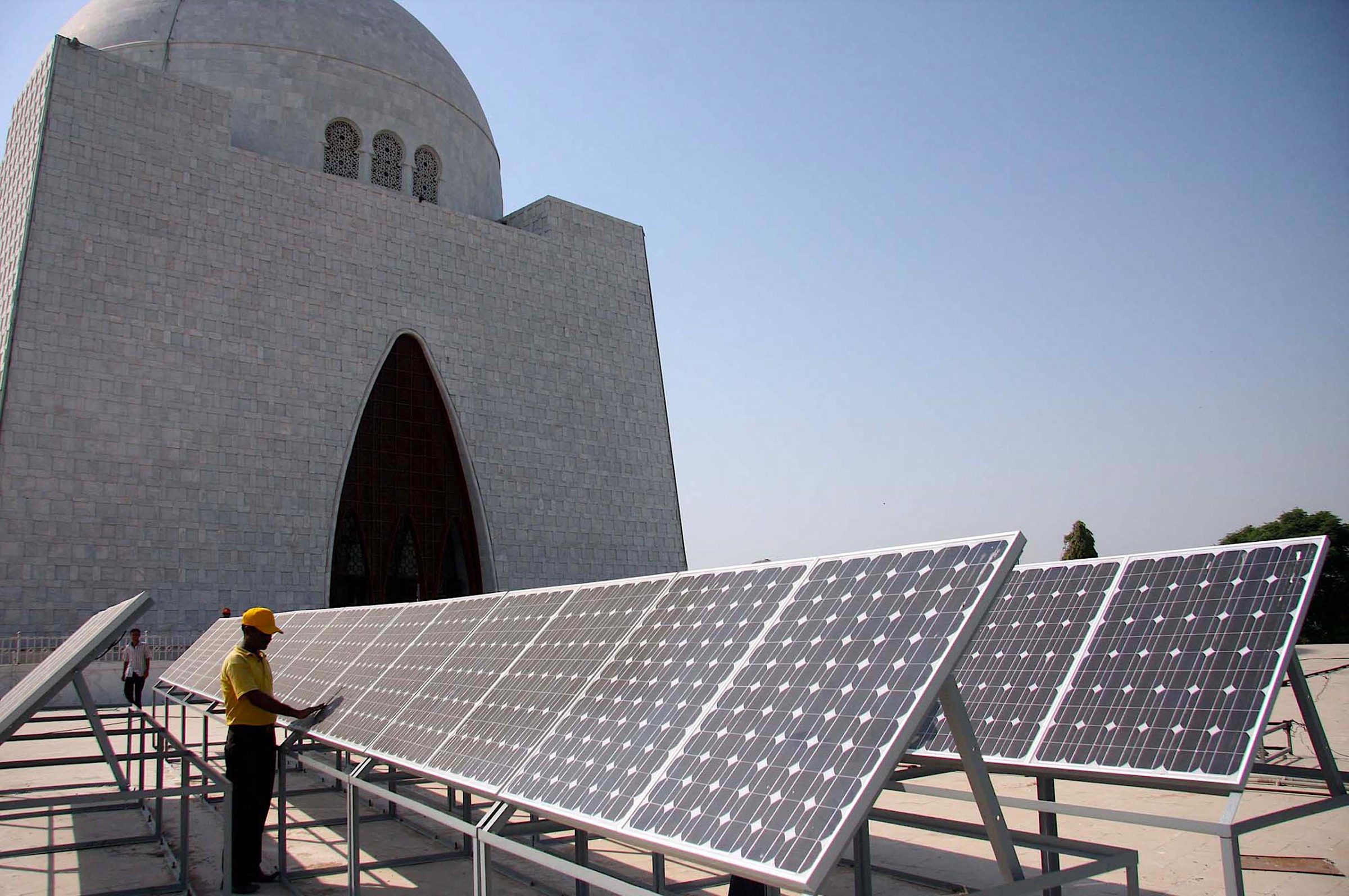
Nearly a fifth of all Pakistani households rely on solar energy, but the people installing and cleaning these panels have little to no protection
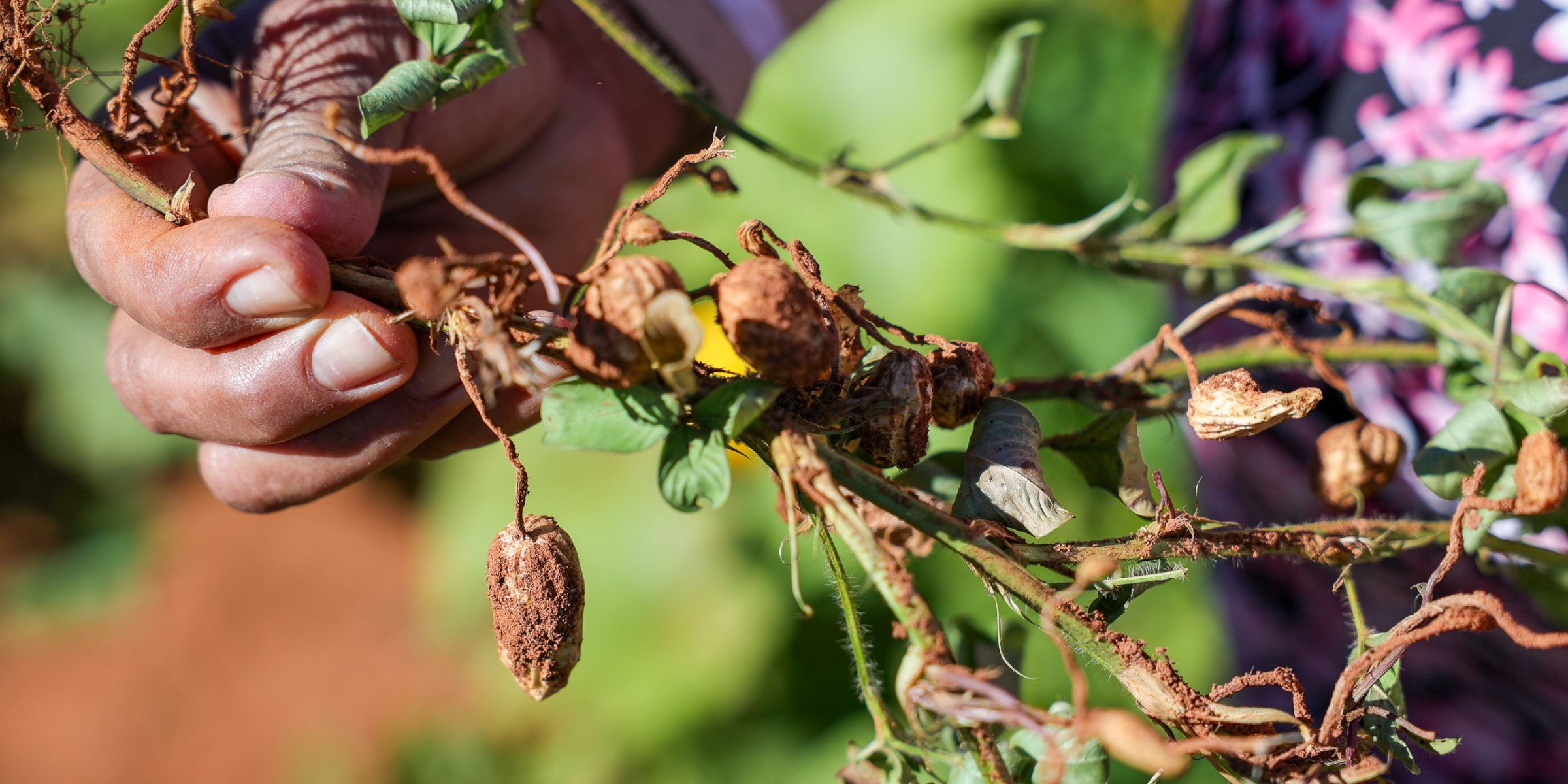
Life in the favelas surrounding Brazil’s capital brings the health risks of extreme heat – a symptom of the global inequities of green space access