Although millions of individuals are vulnerable to extreme heat, frontline communities include neighborhoods and groups of people that:
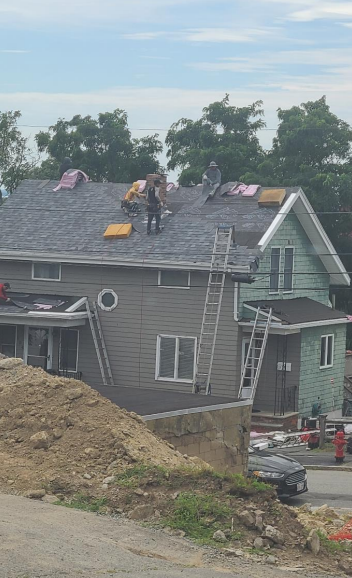
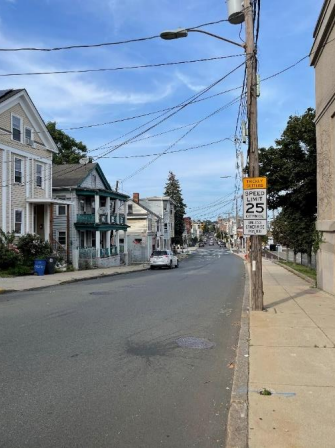
Historical factors and inequities play a strong role in exacerbating the impacts of extreme heat for frontline communities.
.png)
.png)

.png)
.png)
Heat is a "silent killer" - meaning it lacks the visible devastation of other extreme weather events, such as storms, and often has severe impacts on health by exacerbating other health issues such as chronic illnesses.
Exposure to extreme heat results in more emergency room visits, more hospital admissions, and more deaths than hurricanes, floods, and tornadoes combined.
Disadvantaged communities within cities systematically experience heat exposure health impacts at disproportionately higher rates.
In the last twenty years, extreme heat events have increased in frequency and duration, affecting millions of people globally.
with partners at Dialogue Earth, A Better City, and Iseechange, experienced in community-engaged climate and health research and communications, data and maps for decisions, and multi-city partnerships.







As the world heats up, human health needs to be much more firmly on the climate negotiations agenda, say four experts

Global temperatures are surging but heat’s complexity and social aspects are being overlooked, argue two academics.

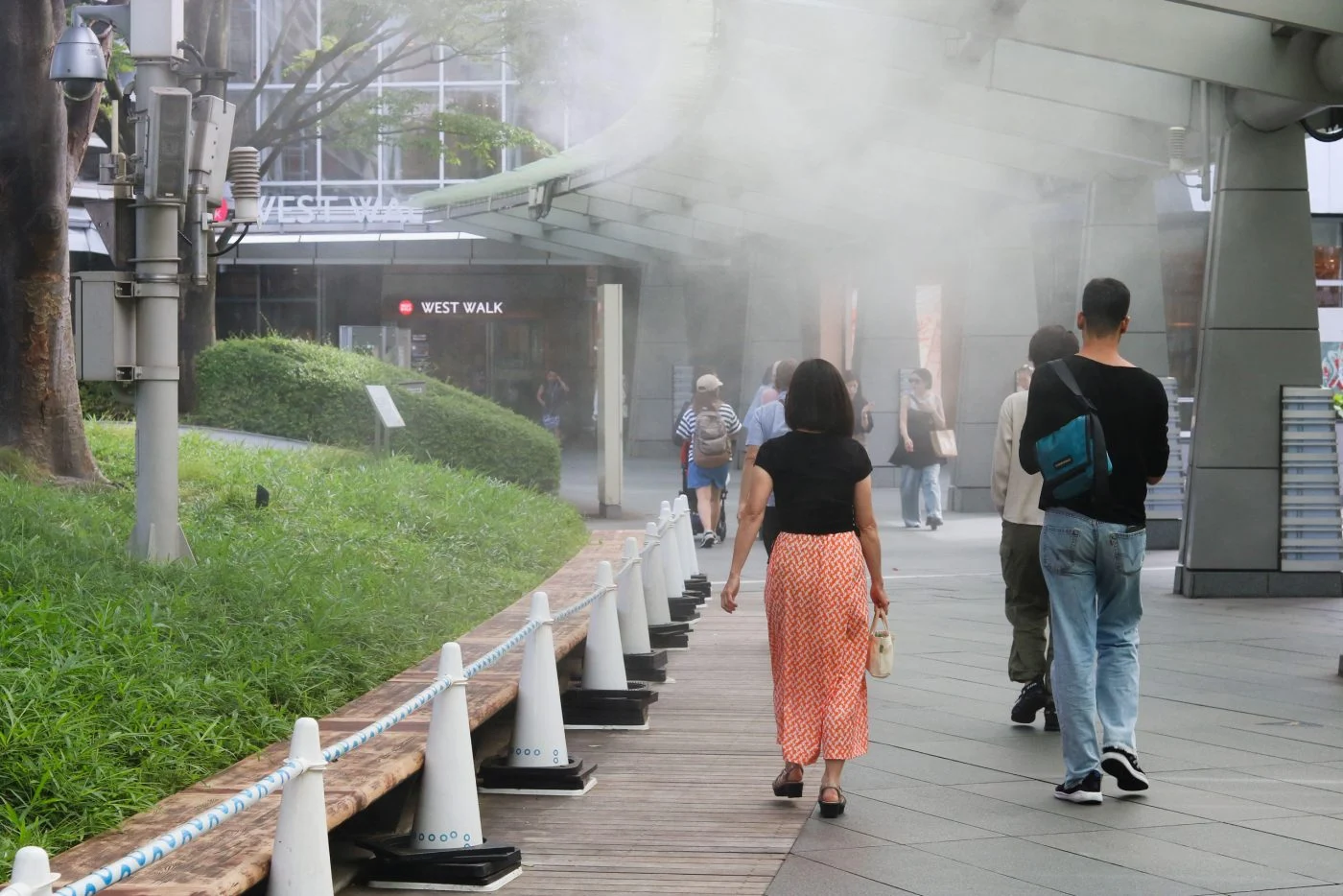
From Barcelona to Boston, via Buenos Aires and Rosario, increasingly intense summers are forcing cities to create spaces to cool down. How successful have they been?
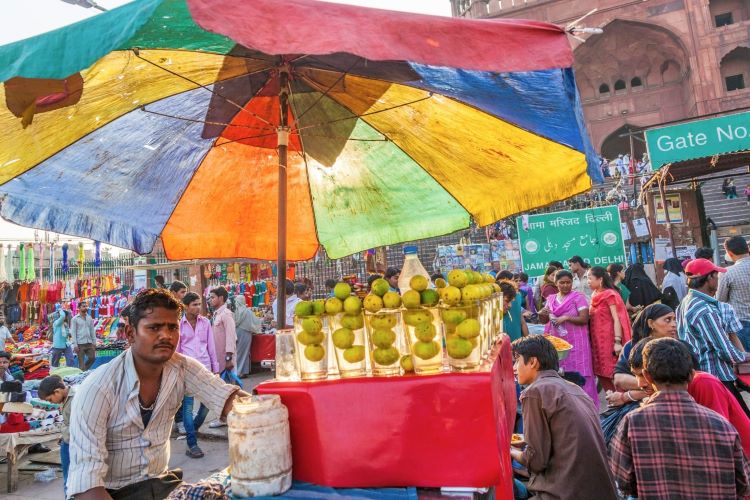
Leaders and scientists are seeking solutions to the health and income problems that extreme heat causes for Global South food stall traders
As cities are warming in very uneven ways, experts say heat warnings need to become more granular to save lives.